February 2019
Insects face global extinction within 100 years
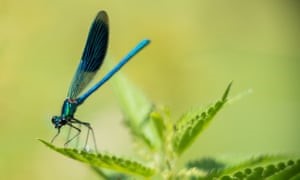
Dragonflies, among millions of other insects, risk extinction. Photograph: Silas Stein/AFP/Getty Images
Scientists have warned that, with the current rate of population decline, insects could become extinct within as little as a century.
Sean Welsh
A new scientific report shows an alarming decline in the number of insects, threatening the survival of many ecosystems.
With the global insect count declining by roughly 2.5% per year, many scientists fear for the survival of both wildlife and humans alike.
Insects form the cornerstone of nature, being necessary for pollination and as food alike. Should their global population fall too low, everything from farming and agriculture to even getting clean air would be impossible.
The report was published in the journal ‘Biological Conservation’.
“If insect species losses cannot be halted, this will have catastrophic consequences for both the planet’s ecosystems and for the survival of mankind,” said Francisco Sánchez-Bayo, one of the authors of the study.
According to the study, more than 40% of insect species are in decline- with 1/3 of insects being endangered.
With the planet already seeing a decline in the populations of other, larger animals, the implications of an insect decline at this scale are wide reaching and severe.
“It is becoming increasingly obvious our planet’s ecology is breaking and there is a need for an intense and global effort to halt and reverse these dreadful trends.”, says Matt Shardlow of Buglife.
“Allowing the slow eradication of insect life to continue is not a rational option.”
While mass extinction events have occurred on Earth in the past – such as the loss of the dinosaurs –this is the first to have occurred directly as a result of human interference.
The study cites the main causes of this decline being urbanisation, aggressive agriculture, and climate change.
Methods to reverse or limit this damage are currently being discussed amongst biologists.

 Sean W Journalism Reflections blog